Many people wake up with a dull headache or a sore jaw and don’t realize it is because they didn’t sleep well.
If you are struggling with restless nights, visiting a dentist in Fairview is a smart first step. Teeth grinding, which dentists call bruxism, is often a way your body reacts to stress or to trouble breathing while you sleep.
Understanding this link is important because it helps you fix the real problem, not just the symptoms. This protects your smile and helps you feel much more rested during the day.
Why Bad Sleep Leads to Grinding
Research shows a strong link between sleep disorders and bruxism. When your sleep is interrupted, like by snoring, your body might tighten your jaw to keep your airway open and help you breathe better.
- Airway Safety: Your mouth grinds your teeth to prevent your throat muscles from closing.
- Brain Wake-ups: Every time you grind, your brain “wakes up” just a little bit, even if you don’t know it.
- Nervous Energy: If you aren’t sleeping deeply, your body stays in a “stressed” mode, which tightens your facial muscles.
What Are The Common Causes Of Nighttime Teeth Grinding?
Stress is a big reason people grind, but it isn’t the only thing. Several physical and lifestyle habits can keep your jaw muscles active all night.
- Uneven Bite: If your teeth don’t line up right, your jaw tries to “fix” it by moving around.
- Caffeine and Alcohol: Drinking these close to bedtime can mess with your brain and lead to clenching.
- Sleeping Position: Sleeping on your back can sometimes make it harder to breathe, which triggers grinding.
If you think your sleep habits are harming your mouth, a dentist near you can identify the signs and help you pinpoint the exact cause.
The Main Effects Of Grinding Teeth During Sleep
Damage from grinding usually occurs slowly. You might not notice it until a tooth actually breaks or starts to hurt. Because your jaw is so strong, it can put a huge amount of pressure on your teeth while you are unconscious.
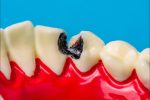
- Worn Enamel: The outer white layer of your teeth gets rubbed away.
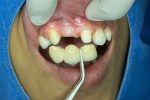
- Chipped Teeth: You might see small cracks or pieces of your teeth breaking off.
- Receding Gums: Constant wiggling of the teeth can cause your gums to pull back.
- Flat Teeth: Over time, the bumpy parts of your back teeth can become completely flat.
Dealing With Jaw Pain From Sleep Bruxism
One of the first things you will feel is jaw pain from sleep bruxism. This happens because the joint that connects your jaw to your head (the TMJ) gets tired and sore from working all night.
- Morning Stiffness: It feels hard to open your mouth wide right after you wake up.
- Earaches: Sometimes the jaw pain feels like it is coming from inside your ear.
- Clicking Sounds: You might hear a “pop” or “click” when you chew your breakfast.
Comparing Your Rest Patterns
| Feature | Good, Quiet Sleep | Sleep with Grinding |
| Jaw Position | Relaxed and loose | Clenched or moving |
| How you feel | Refreshed and energized | Tired with a heavy jaw |
| Tooth Health | Normal and smooth | Sharp edges or flat spots |
| Headaches | Rare | Very common in the morning |
What are the Ways to Stop the Damage
Breaking the link between poor sleep and grinding usually requires several steps. You want to protect your teeth while also helping your body relax.
- Get a Night Guard: A custom guard from a dentist keeps your top and bottom teeth from touching.
- Change Your Bedtime: Avoid screens and caffeine for a few hours before bed.
- Relax Your Jaw: Try a warm cloth on your cheeks before bed to help loosen the muscles.
- Stay Calm: Deep breathing or a warm bath can signal to your brain that it’s okay to stop clenching.
Why Seeing a Professional Matters
Since grinding happens while you are asleep, you might be the last person to know it’s happening.
A dentist can see the signs long before you feel any pain. They look for tiny “shiny spots” on your teeth that show where you’ve been rubbing them together.
Catching this early can save you from having to get expensive crowns or fillings later on. It also helps you get back to having a quiet, peaceful night of rest.
Get a Better Night’s Rest Today
Taking care of your jaw is a big part of caring for your whole body. When you fix the connection between your sleep and your teeth, you stop the damage and start feeling better every morning. Our team is here to help you find the best way to keep your smile safe and your nights quiet. We care about your comfort and health.
At Fairview Dental Clinic, we are here to help you get the rest you need and the healthy smile you deserve. Are you tired of waking up with a sore jaw? Contact Fairview Dental Clinic today to book a visit and find out how we can help you sleep better!
FAQs
Will a store-bought guard work?
They are often bulky and can sometimes make you clench more because they don’t fit your teeth perfectly.
Can stress at work cause this?
Yes, if you are stressed during the day, your brain often carries that tension into your sleep.
Is grinding a sign of sleep apnea?
It can be. Sometimes grinding is the body’s way of trying to wake itself up to breathe.
How do I know if I’m grinding?
Common signs are waking up with a headache, a sore jaw, or your partner hearing a “clicking” sound at night.