As a parent, you notice things. Maybe your child always breathes through their mouth. Maybe they snore at night or struggle to pronounce certain words clearly. Maybe their teeth do not seem to be coming in quite right. These signs can feel easy to brush off. Kids develop at different rates, after all. But sometimes these small things point to something worth looking into—and myofunctional therapy in Fairview could be exactly what helps.
This guide explains what myofunctional therapy is, what signs to watch for in your child, and why catching these issues early makes such a big difference.
What Is Myofunctional Therapy?
Myofunctional therapy is a type of exercise-based treatment that focuses on the muscles of the face, mouth, and throat. These muscles, including the tongue, lips, and cheeks, play a huge role in how a child breathes, swallows, speaks, and chews. When they do not function correctly, the effects show up in many different ways.
Think of myofunctional therapy like physical therapy but for the mouth. A trained therapist guides the child through specific exercises that retrain these muscles to work the way they are supposed to.
It is gentle, non-invasive, and most children respond very well to it—especially when it starts early.
Why Does It Matter So Much in Childhood?
Children are still growing. Their jaws, palates, and facial structures are actively developing during the early years of life. This is actually a significant advantage. Because everything is still forming, the right intervention at the right time can redirect development in a healthier direction. Problems that are easy to correct in a child can become much more complex — and more costly to address in an adult.
A dental clinic in Fairview that offers myofunctional therapy understands this window of opportunity and works to help families make the most of it.
Signs Your Child May Need Myofunctional Therapy
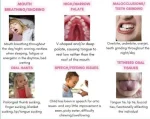
They Breathe Through Their Mouth Most of the Time. This is one of the most visible and important signs to watch for.
Nose breathing is natural and healthy. The nose filters air, warms it, and supports proper oxygen levels. When a child breathes through their mouth consistently during the day, during sleep, or both, it suggests the nasal airway may be restricted or that the oral muscles are not functioning correctly.
Chronic mouth breathing can lead to the following:
- A narrow upper palate
- Crowded or misaligned teeth
- Changes in facial development over time
- Dry mouth and increased risk of tooth decay
- Poor quality sleep
If your child almost always has their mouth open, it is worth bringing them to a dentist.
They Snore or Have Restless Sleep
Does your child snore regularly? Do they toss and turn, wake up frequently, or seem tired even after a full night of sleep?
It is easy to assume that in children, bad sleep is all about bedtime. Occasionally, it is a signal that the airway is not functioning properly while the child is asleep, restricting the amount of air getting into the lungs, which forces the body to work during the night, resulting in a lack of good, restful sleep.
Myofunctional therapy strengthens the muscles around the airway, which can improve breathing during sleep and lead to significantly better rest.
They Have a Tongue Thrust
A tongue thrust is when the tongue pushes forward against or between the teeth when swallowing or at rest instead of pressing up against the roof of the mouth.
It might not sound serious, but over time, the constant pressure of the tongue against the teeth can
- Push front teeth forward or create an open bite
- Interfere with proper jaw development
- Affect how clearly certain sounds are produced in speech
Tongue thrust is one of the most common reasons children are referred for myofunctional therapy.
Their Speech Is Unclear or Difficult to Understand
Some speech difficulties in children are completely normal at young ages. But when a child consistently struggles with certain sounds — especially sounds that involve the tongue and lips it can point to an underlying muscle function issue. Sounds like “s,” “z,” “th,” “l,” and “r” are particularly affected when the tongue does not move or rest correctly. A dental clinic near you that offers myofunctional therapy can work alongside speech therapists to address both the muscle function and the speech patterns together.
They Still Suck Their Thumb or Use a Pacifier Beyond Age Three
Thumb sucking and pacifier use are normal for very young children. But when these habits continue past the age of three, they can start to affect the shape of the palate and the alignment of the teeth.
The persistent pressure from thumb-sucking or a pacifier can:
- Push the upper front teeth forward
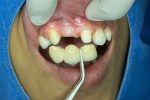
- Create an open bite—where the front teeth do not meet when the mouth is closed
- Narrow the upper jaw over time
Myofunctional therapy helps break this habit gently while also retraining the oral muscles that the habit has affected.
They Have Difficulty Chewing or Swallowing
Some children avoid certain textures of food not out of preference, but because chewing is genuinely difficult for them. Others seem to swallow in an unusual way or gag easily during meals. These patterns can be linked to weak or poorly coordinated oral muscles. When the muscles of the tongue, cheeks, and lips do not work together properly, eating becomes harder than it should be.
If mealtimes are consistently challenging for your child—beyond ordinary picky eating—it is worth investigating whether muscle function may be playing a role.
Their Teeth Are Coming in Crooked or Crowded. Teeth do not come in crooked simply by chance. The position of the teeth is influenced by the forces acting on them, including the pressure of the tongue, lips, and cheeks.
When these muscles are not functioning correctly, the teeth often reflect it. Crowding, spacing, open bites, and crossbites can all be influenced by poor oral muscle function. Addressing the underlying muscle patterns through myofunctional therapy, ideally alongside or before orthodontic treatment, improves the chances of stable, long-lasting results.
What Does a Myofunctional Therapy Program Look Like?
Every child’s program is tailored to their specific needs, but here is a general idea of what the process involves:
| Stage | What Happens |
| Assessment | The therapist evaluates tongue posture, breathing patterns, swallowing, and muscle function |
| Goal setting | A personalized exercise plan is created based on the child’s specific issues |
| Regular sessions | The child attends sessions—often weekly or bi-weekly—to learn and practise exercises |
| Home practice | Short daily exercises are assigned to reinforce progress between sessions |
| Progress review | The therapist monitors improvements and adjusts the program as needed |
| Completion | Most programs last several months, depending on the child’s needs and progress |
The exercises themselves are simple, engaging, and designed to feel manageable for children of different ages. Many children actually enjoy the sessions once they get comfortable.
When Should You Act?
The short answer is as soon as you notice something that does not feel right. Early intervention consistently leads to better outcomes. The younger a child is when these issues are identified and addressed, the more the natural growth process can be guided in a healthy direction.
That does not mean it is too late if your child is older. Myofunctional therapy is effective across a wide range of ages. But earlier is almost always better.
Give Your Child the Best Start: Fairview Dental Clinic Is Here to Help
Every child deserves to grow, breathe, sleep, and smile as comfortably as possible. If you have noticed any of the signs described in this guide, it is worth having a conversation with a dental professional who understands myofunctional health. It is this kind of caring commitment that you can expect from all at Fairview Dental Clinic as they strive to maintain healthy childhood development through attentive and professional care. They are prepared to listen and guide you should you have questions or wishes or be simply seeking advice.
Book your child’s appointment with us today because small signs caught early can make a very big difference.
Frequently Asked Questions
Q1: At what age can a child start myofunctional therapy?
Most therapists recommend waiting until a child is at least four to five years old and can follow simple instructions — though early assessment can happen sooner to identify habits worth monitoring.
Q2: When will I see results from myofunctional therapy?
Most programs will be between 6 months and a year long. However, within 3 months, some children can exhibit differences in their breathing and swallowing patterns after consistent application.
Q3: Does myofunctional therapy stand in place of orthodontic therapy?
Not necessarily; myofunctional therapy is often used in conjunction with orthodontic therapy in order to resolve muscle patterns that are causing the bite to be incorrect, therefore giving the orthodontic result the greatest possibility of remaining stable for the life of the patient.
Q4: Can adults receive myofunctional therapy?
Yes, the most benefit is seen at younger ages with development, but adults can receive myofunctional therapy to resolve mouth breathing, snoring, TMJ pain, and other sleep-disordered breathing issues.